



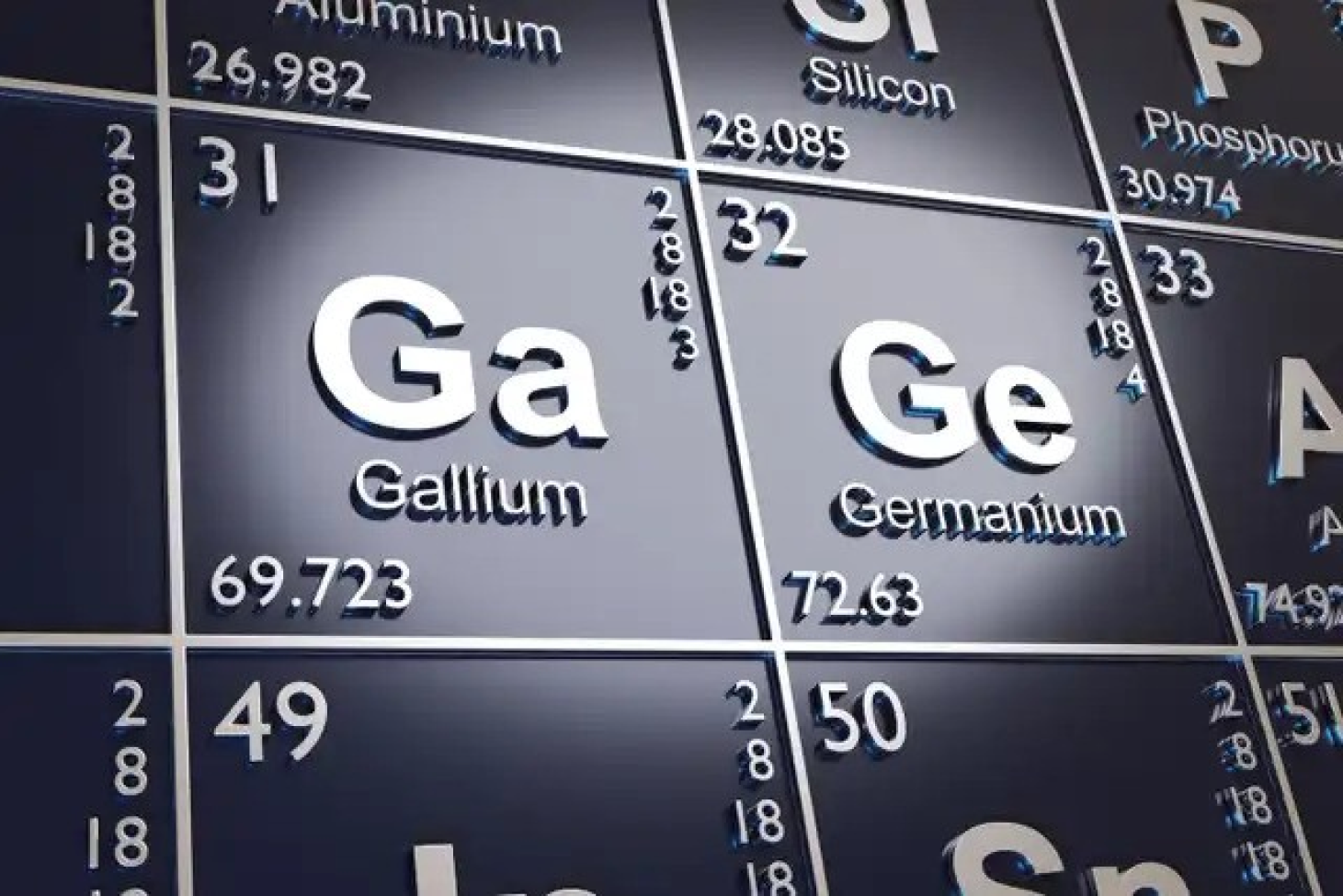
China imposed strict export controls on two key semiconductor materials,
germanium and gallium, in 2023, a move that has since reverberated across
global markets.
These semiconductor materials are critical to the
production of advanced processing chips and military optical hardware, leading
to potential shortages in chipmaking capacity, with prices for germanium and
gallium reported to have nearly doubled in Europe over the past year.
The
Chinese government introduced the restrictions in response to controls imposed
by the US on the sale of advanced chips and chipmaking equipment to China,
citing "national security and interests". China is known to play a major role
in the supply of these semiconductors, producing 98% of the world's gallium
and 60% of its germanium, which shows how reliant Western industries are on
Chinese exports of these semiconductors.
Since the implementation
of the controls, the availability of these materials outside China has been
sharply reduced. Gallium exports, for example, have fallen by about half. A
senior executive at Tradium admitted that the amount of gallium and germanium
obtained through China's new export licensing program is "a fraction of what
we have purchased in the past."
Export controls complicate already
challenging markets, and ongoing restrictions could disrupt the production of
a wide range of goods from fiber optics to night vision goggles. As a result,
long-term supply contracts are now almost impossible to obtain due to the
uncertainties involved, with shipment approvals taking 30 to 80 days.
In
response to these challenges, efforts are underway to increase local
production and find alternative sources for these critical minerals. For
example, Greece's Mytilineos is considering a gallium mining project to meet
EU demand within 18 months. Nyrstar, a Belgium-based zinc producer, is
exploring potential projects to recover gallium and germanium in Europe.
In
addition, in certain applications, gallium can be replaced by silicon or
indium, while zinc selenide can replace germanium. Additionally, recycling
initiatives are being considered to recover these metals from scrap, although
the scale of recycling is currently limited. However, these alternative routes
come at a significant cost, with the supply chain costing around $20 billion
and the effort spanning many years.